
Skin Treatment FAQs: All You Need to Know About Skin Rejuvenation Options

When it comes to maintaining a youthful and radiant complexion, understanding the available skin rejuvenation options is essential. Over the years, advancements in aesthetic medicine have provided a variety of treatments designed to enhance natural beauty and promote healthy aging. In this comprehensive guide, I will address common questions and provide clear, practical information to help you make informed decisions about your skin care journey.
Exploring Skin Rejuvenation Options: What You Should Know
Skin rejuvenation encompasses a broad range of treatments aimed at improving skin texture, tone, and overall appearance. These options vary from non-invasive procedures to more intensive treatments, each with unique benefits and considerations.
Some of the most popular skin rejuvenation options include:
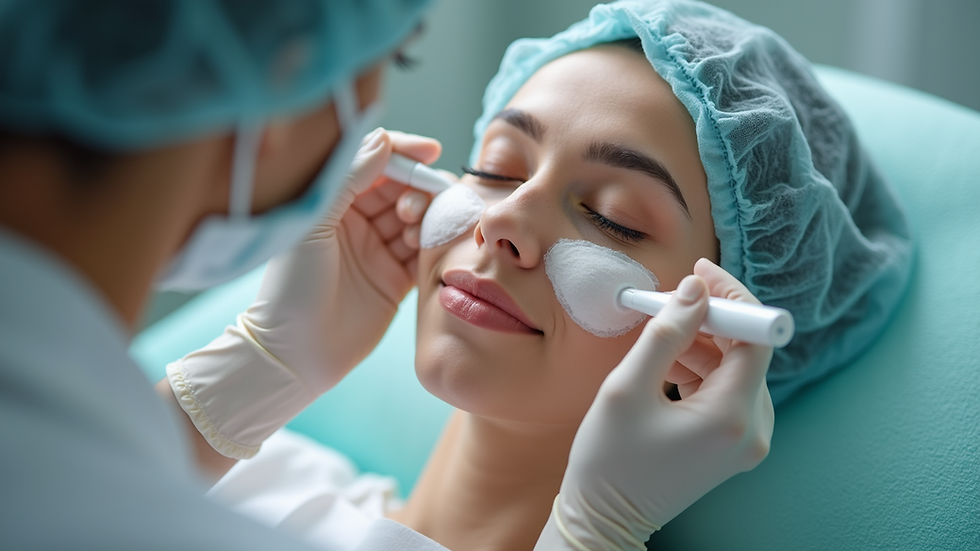
Chemical Peels: These involve applying a chemical solution to exfoliate the outer layers of skin, revealing fresher, smoother skin beneath. They can target fine lines, sun damage, and uneven pigmentation.
Laser Therapy: Laser treatments stimulate collagen production and can address wrinkles, scars, and pigmentation irregularities. Different types of lasers are used depending on the skin concern.
Microneedling: This minimally invasive procedure uses fine needles to create micro-injuries, encouraging the skin’s natural healing process and collagen synthesis.
Injectables: Treatments such as Botox and dermal fillers help reduce wrinkles and restore volume, providing a more youthful contour.
Radiofrequency and Ultrasound Therapy: These technologies use heat to tighten skin and improve elasticity without surgery.
Each option has its own recovery time, effectiveness, and suitability depending on your skin type and goals. Consulting with a qualified professional ensures the best personalized approach.

Understanding the Benefits and Risks of Skin Rejuvenation
Before committing to any skin treatment, it is crucial to weigh the benefits against potential risks. Skin rejuvenation can significantly improve confidence and skin health, but it is not without considerations.
Benefits include:
Improved skin texture and tone: Treatments can smooth rough patches and reduce discoloration.
Reduction of fine lines and wrinkles: Many procedures stimulate collagen, which supports skin firmness.
Minimized appearance of scars and pigmentation: Targeted therapies can fade acne scars and sunspots.
Non-surgical options with minimal downtime: Many treatments allow you to resume daily activities quickly.
Potential risks:
Temporary redness, swelling, or irritation: Common side effects that usually resolve within days.
Risk of infection or scarring: Rare but possible if post-treatment care is not followed.
Variable results: Outcomes depend on individual skin characteristics and adherence to treatment plans.
Cost considerations: Some procedures may require multiple sessions for optimal results.
To maximize benefits and minimize risks, it is essential to follow pre- and post-treatment instructions carefully and maintain realistic expectations.
What are the Most Asked Questions on Skincare?
In my experience, several questions frequently arise when discussing skin rejuvenation and treatments. Addressing these can clarify common concerns and guide you toward the best choices.
How do I know which treatment is right for me?
Choosing the right treatment depends on your skin type, concerns, and lifestyle. A thorough consultation with a medical professional will include skin analysis and discussion of your goals. For example, if you have sensitive skin, gentler options like mild chemical peels or low-intensity laser therapy may be preferable.
How long do results last?
The longevity of results varies by treatment. Botox typically lasts 3-6 months, while dermal fillers can last from 6 months to 2 years depending on the product. Laser and microneedling results may improve over several months and require maintenance sessions.
Is there any downtime?
Downtime depends on the procedure. Non-invasive treatments often have minimal to no downtime, allowing you to return to normal activities immediately. More intensive treatments like deep chemical peels or ablative lasers may require a recovery period of several days to weeks.
Are these treatments safe?
When performed by trained professionals in a controlled environment, skin rejuvenation treatments are generally safe. It is important to disclose your medical history and any medications to your provider to avoid complications.
Can these treatments prevent aging?
While no treatment can stop aging, many skin rejuvenation options can slow visible signs and improve skin health. Combining treatments with a good skincare routine and sun protection enhances long-term results.
How to Prepare for Your Skin Rejuvenation Treatment
Preparation is key to achieving the best outcomes from any skin treatment. Here are some practical steps to consider before your appointment:
Consultation: Schedule a detailed consultation to discuss your medical history, skin concerns, and treatment goals.
Avoid sun exposure: Minimize sun exposure and use broad-spectrum sunscreen for at least two weeks prior to treatment.
Discontinue certain products: Your provider may advise stopping retinoids, exfoliants, or blood-thinning medications temporarily.
Hydrate and nourish your skin: Well-moisturized skin responds better to treatments.
Arrange for post-treatment care: Plan for any necessary downtime and have soothing skincare products ready.
Following these guidelines helps reduce risks and enhances the effectiveness of your chosen procedure.
Aftercare Tips for Maintaining Your Skin’s Health
Post-treatment care is just as important as the procedure itself. Proper aftercare supports healing and prolongs the benefits of skin rejuvenation.
Keep the skin clean and moisturized: Use gentle cleansers and hydrating creams recommended by your provider.
Avoid direct sun exposure: Protect your skin with sunscreen of at least SPF 30 and wear protective clothing.
Refrain from picking or scratching: This prevents infection and scarring.
Follow any medication or topical treatment instructions: These may include antibiotics or anti-inflammatory creams.
Stay hydrated and maintain a healthy diet: Nutrients support skin repair and overall health.
Regular follow-up appointments allow your provider to monitor progress and recommend maintenance treatments if necessary.
Embracing Advanced Skin Care with Confidence
Navigating the world of skin rejuvenation options can be complex, but with the right information and professional guidance, you can confidently enhance your natural beauty. I encourage you to explore the skin treatments faq to deepen your understanding and prepare for your aesthetic journey.
By prioritizing medically supervised procedures and evidence-based treatments, you invest in your skin’s health and vitality for years to come. Remember, the goal is not just to look younger but to achieve a balanced, healthy complexion that reflects your best self.
I hope this detailed overview has provided clarity and reassurance as you consider your skin treatment options. Your skin deserves expert care and thoughtful attention, and with the right approach, you can enjoy lasting, beautiful results.
Kommentarer